Black Maternal Health Week | Scrub Life Cares
Each year during Black Maternal Health Week, we revisit the same urgent and very necessary conversation: why are Black women in the United States still more likely to die from pregnancy-related causes?
The data is quite clear and sobering, that Black women are two to three times more likely to experience maternal mortality than white women. Beyond mortality, rates of maternal morbidity, serious complications like hemorrhage, preeclampsia, and cardiomyopathy, remain disproportionately high despite the fact that these concerns are preventable.
If we want to be the change that maternal health sees on a grander scale, we have to ask deeper questions to address the root cause vs putting out little fires.
When does the conversation and experience of maternal health actually begin?
If we’re being honest, it doesn’t begin at the first prenatal visit. It doesn’t even begin at the first positive pregnancy test.
Maternal health begins well before pregnancy or motherhood is even in the forefront of the conversation.
What are we missing before pregnancy?
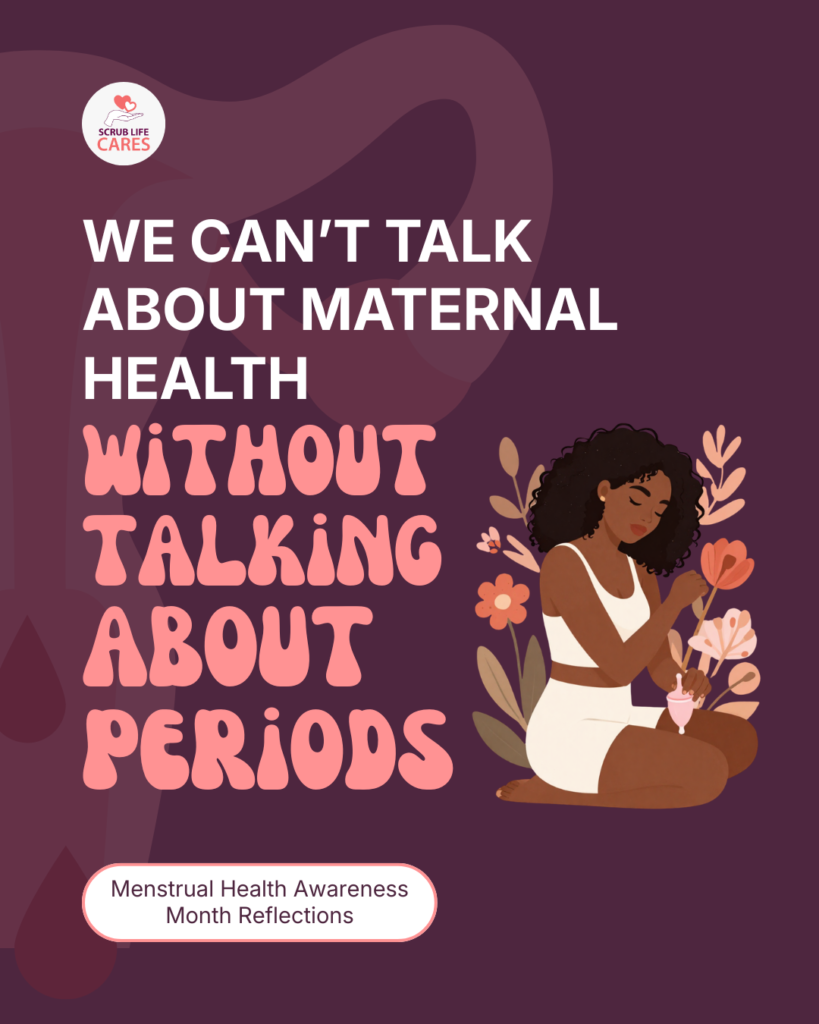
We can all agree that we cannot talk about pregnancy without talking about periods.
For many young girls, menstruation is introduced with minimal education and even less context. They might be told what is to happen, but not how it’s happening, what to expect, or functional information to help them find peace in the process vs. shame at the onset. They are rarely taught how to recognize what is healthy, what is not, and when to seek care, what we know as body literacy.
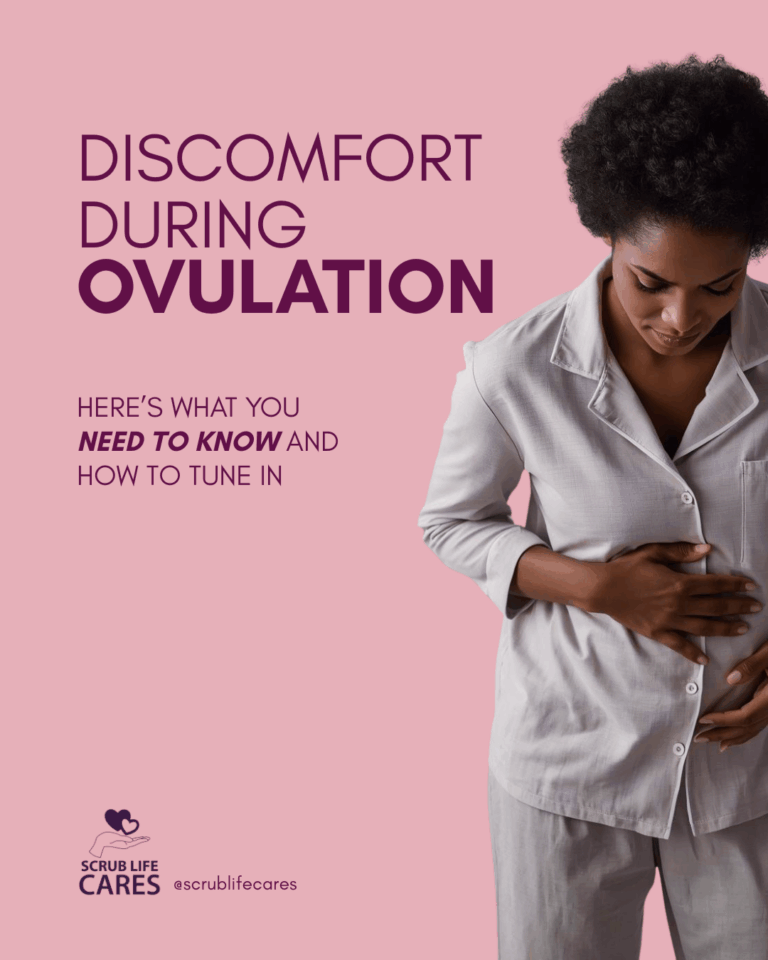
Without this essential foundation, early signs of underlying health concerns irregular cycles, painful periods, heavy bleeding, hormonal imbalances, we miss learning opportunities and the chance to build awareness. Conditions that very well may have an impact in the maternal season of a girl’s life can go unseen leading to some of the concerns within maternal health we see once she is ready to conceive and become pregnant. We are starting the maternal health conversations and interventions far too late.
For many women, pregnancy becomes the first time the healthcare system truly engages with their body in a comprehensive way and as a black woman, comprehensive care can that much harder to come by.
By this point, we are often managing risk rather than preventing it; as mentioned previously, putting out fires that we could’ve prevented early on.
We have to acknowledge that access goes deeper than availability
Barriers to maternal health are not only clinical, but also structural.
In some places, like Antigua, antenatal care is offered for free. And yet, there are still women who are unaware that these services exist or how to access them.
We can, in fact, notice something key: access is not just about whether care is available. It is about awareness, trust, education, and connection.
In the United States, the gaps come in different forms:
- lack of consistent healthcare access
- gaps in health insurance coverage
- broken systems of care
- and a generational history of medical mistrust within Black communities
Even when services exist, they are not always accessible in ways that feel safe, clear, and continuous.
Where things compound
If we look at the history, we can see a pattern emerge:
A lack of early education about the body leads to missed opportunities for early preventative care. This will have a domino effect, with care missed entirely, leading to unmanaged or undiagnosed conditions that worsen over time. Those unaddressed conditions increase the risk of complications during pregnancy or pose a threat to achieving pregnancy entirely. Those complications contribute to the maternal health disparities we see today, and by the time we are measuring maternal mortality, we are looking at the result of years and years of wide gaps in education, access, and active support.
Why This Matters for the Future of Healthcare
This is where the mission of Scrub Life Cares becomes vital.
Addressing maternal health disparities is not limited to improving outcomes in hospitals, nor is it left to fixing how providers serve their communities; it’s equally about shaping an entire healthcare infrastructure that understands the foundations of maternal health. A system that operates on the full timeline of a woman’s experience from the education provided at the onset of puberty, all the way into improving outcomes in hospitals.
Healthcare professionals working with women must be equipped with skills that have since been lost in the advancements of critical care:
Acknowledge, support, and implement early education and prevention
Provide culturally competent care and community-informed care
Building ongoing trust with the populations they serve from the moment someone lands on their websites and makes it into their waiting rooms and eventually the exam room, and back into their homes post-appointments.
Systemic barriers will always pose a threat, and this is where representation, early education, and exposure matter.
When students are supported in pursuing careers in healthcare, especially those from underrepresented communities, it goes beyond building careers and practices to building communities within a system that serves equitably and responsively.
Moving the Needle Forward
The bottom line is that if we want to improve maternal health outcomes for Black women, we have to start earlier in conversations about the body, access (not just availability) to education and care, and an unwavering support for the next generation of healthcare professionals who will carry this work forward. It’s not a framework, but an active, intentional approach.
We take this approach because by the time a woman enters a delivery room, her health story has already been written by what she thought she knew or didn’t know at all, what she had or hadn’t access to, and whether or not the system was prepared to support her long before the moment of labor and delivery.
At Scrub Life Careers, that future begins now.