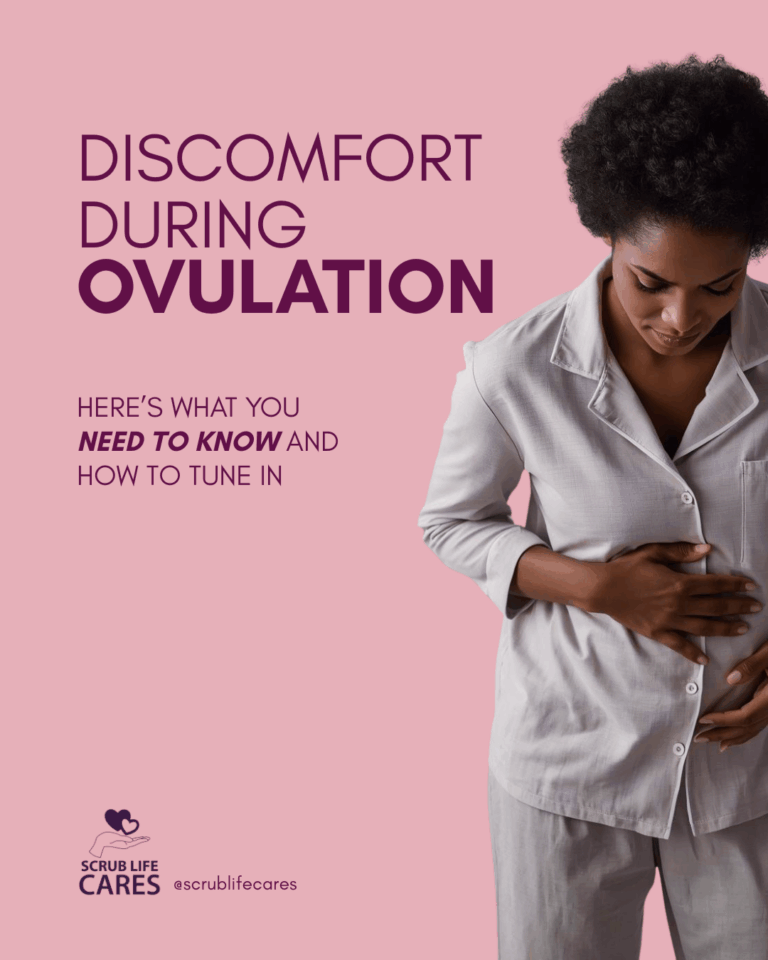
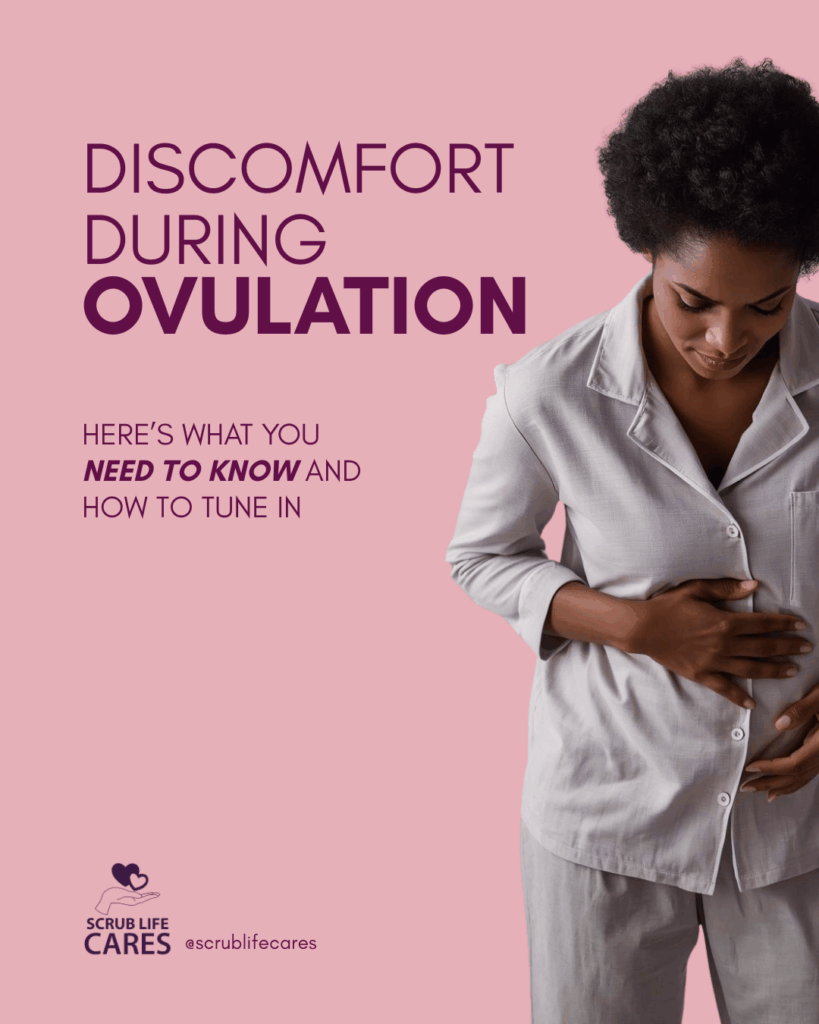
Did you think menstrual discomfort only occurs during the bleeding phase? For some, this is true. For others, it can be another added layer of discomfort through the fertile phase of the cycle, otherwise known as ovulation. Now, this may come and go without a trace other than the fertile cervical fluid that is produced. However, after finishing this article, please take note during your ovulatory phase of feelings that might be present in the pelvic region. Opening up the conversation about ovulation pain helps girls and women feel seen and heard, which can encourage them to be aware and seek care if needed.
So What Is Ovulation Pain?
Ovulation pain, also called mittelschmerz (a German word meaning “middle pain”), happens when an ovary releases an egg, usually around day 14 of a 28-day cycle. The pain can range from a dull ache to a sharp cramp on one side of the lower abdomen. It may last just a few minutes or sometimes stretch into hours.
How to Recognize Ovulation Pain
Some signs that discomfort could be linked to ovulation include:
- Pain on one side of the lower abdomen (it may switch sides each cycle).
- Pain lasting anywhere from a few minutes to a few hours.
- A timing pattern: usually occurs about two weeks before your next period.
- Sometimes accompanied by light spotting or changes in cervical mucus (clear, stretchy, like egg whites).
It’s important to specify that severe pain is not normal and could signal another condition, like ovarian cysts, endometriosis, or infection, that would require further investigation with a trusted provider.
What to Be Aware Of
While ovulation discomfort is common and often harmless, there are certain things we should be aware of. Developing the habit of cycle tracking will help with self-awareness, which in turn can lead to catching symptoms early as they appear. Pay attention to:
- Sudden, severe pain → may require immediate medical care.
- Pain with fever, vomiting, or heavy bleeding → could be a sign of infection or another health issue.
Pain that disrupts daily life each cycle → may point to underlying conditions like endometriosis or pelvic inflammatory disease (PID).
Easing Ovulation Pain at Home
While it might be something harmless, we still deserve to find comfort if needed. Some simple and easy ways to support ovulation discomfort at home are
- Warmth: Use a heating pad or take a warm bath to relax your muscles.
- Gentle movement, such as light stretching or yoga, can improve blood flow.
- Over-the-counter pain relievers, such as ibuprofen or acetaminophen (if safe for you), can help reduce cramping.
- Hydration: Drinking water helps ease bloating and discomfort.
- Rest: Sometimes your body just needs a pause and is calling you in to rest so it’s best to lean into it.
Questions to Ask Your Healthcare Provider
Of course, just because these conversations aren’t commonly had among peers or even reproductive health providers doesn’t mean you can’t ask questions! Opening up discussions with friends, trusted family members, and healthcare providers is an important step in advocating for yourself. When speaking with a provider, try to choose someone who is culturally aware, willing to listen, and open to further investigating your concerns if needed.
Here are some starter questions you might bring to your provider:
Could my pain be linked to another condition (such as ovarian cysts or endometriosis)?
At what point should this become concerning?
When should I seek urgent care for this pain?
When describing pain, try using words that paint a clear picture:
Pressure if you feel heaviness
Dull if the pain is light but persistent
Sharp if the pain is sudden and intense
Opening the Cultural Conversation: Why This Matters for Caribbean Black Girls
In many Caribbean and Black communities, conversations about reproductive health are often minimized, left unexplained, or overshadowed by stigma. Too often, girls are told to “push through” discomfort or discouraged from asking questions about their bodies. This silence can leave them feeling confused, ashamed, or isolated when pain arises—delaying care and reinforcing body illiteracy.
We need to shift the narrative by normalizing open, affirming conversations around body literacy and reproductive health—without shame.
Here’s what we must normalize:
Pain during ovulation is real. It is not “all in your head.” Validation is key.
Talking about reproductive health is not being “fast” or disrespectful. It is being informed and empowered.
Asking questions at the provider’s office is a right. If you feel dismissed, it’s okay to seek a different provider.
Culturally competent care matters. Providers should listen, believe, and respond with respect to the lived experiences of Black girls and women.
Ovulation pain is common, but it doesn’t have to be confusing or isolating. By recognizing it, managing it safely, and speaking up about it, girls can take charge of their reproductive health with autonomy and understanding for improved relationships with their bodies.
Scrub Life Cares is committed to creating safe spaces where Black girls and women, as well as those of Caribbean, African American, and other backgrounds, can access accurate information, compassionate support, and culturally competent care. Your body deserves to be understood, and your voice deserves to be heard.